

Affiliate Marketing in 2026 Practical Guide to Joining Programs Getting Traffic and Earning Commissions
Introduction and why affiliate marketing works now
Affiliate marketing has moved from a niche tactic to a mainstream income channel. Younger shoppers, especially Gen Z and millennials, are more likely to buy products promoted by creators than from traditional ads. That shift gives content creators and small publishers a clear path to earning commissions simply by recommending products they use or explain.
Influencer-driven purchases are especially strong because recommendations come with context: a tutorial, a review, a personal story. Those formats build trust faster than an anonymous banner ad. The infrastructure is also easier to access now: most brands offer affiliate programs or list their partnerships on marketplaces, so getting started requires lower technical overhead than before.
What is affiliate marketing and how commissions work
At its core, affiliate marketing means earning a commission when someone acts—typically buying or signing up—after clicking your referral link. That link is unique to you and allows the company to record conversions and attribute payouts.
Commission structures vary. Physical retail often pays a percentage of the sale. Marketplaces like Amazon use tiered rates depending on product category. Digital products frequently offer higher percentages and sometimes recurring payments for subscription services. Service providers may pay flat fees per referral or percentages based on customer lifetime value.
How to join affiliate programs and find your links
Most companies place affiliate program details in their website footer. Look for pages labeled partners, affiliates, or partner program. Clicking through usually leads to a registration form and, once approved, a dashboard with your unique links and creatives.
Finding affiliate pages on company websites
If a brand has an affiliate option, it’s commonly near the bottom of the site or within a resources or community section. Register, verify your account, and you’ll gain access to tracking links and performance reports. Some companies restrict approval to creators who meet certain audience thresholds, but many accept newcomers.
Using affiliate marketplaces for reliable programs
Besides direct brand programs, affiliate marketplaces aggregate offers from multiple companies. Platforms like impact.com, Awin, and PartnerStack list programs with standardized onboarding. Marketplaces help reduce risk: payouts tend to be more consistent and contractual obligations are clearer than with fly-by-night vendors.
How to present and shorten affiliate links
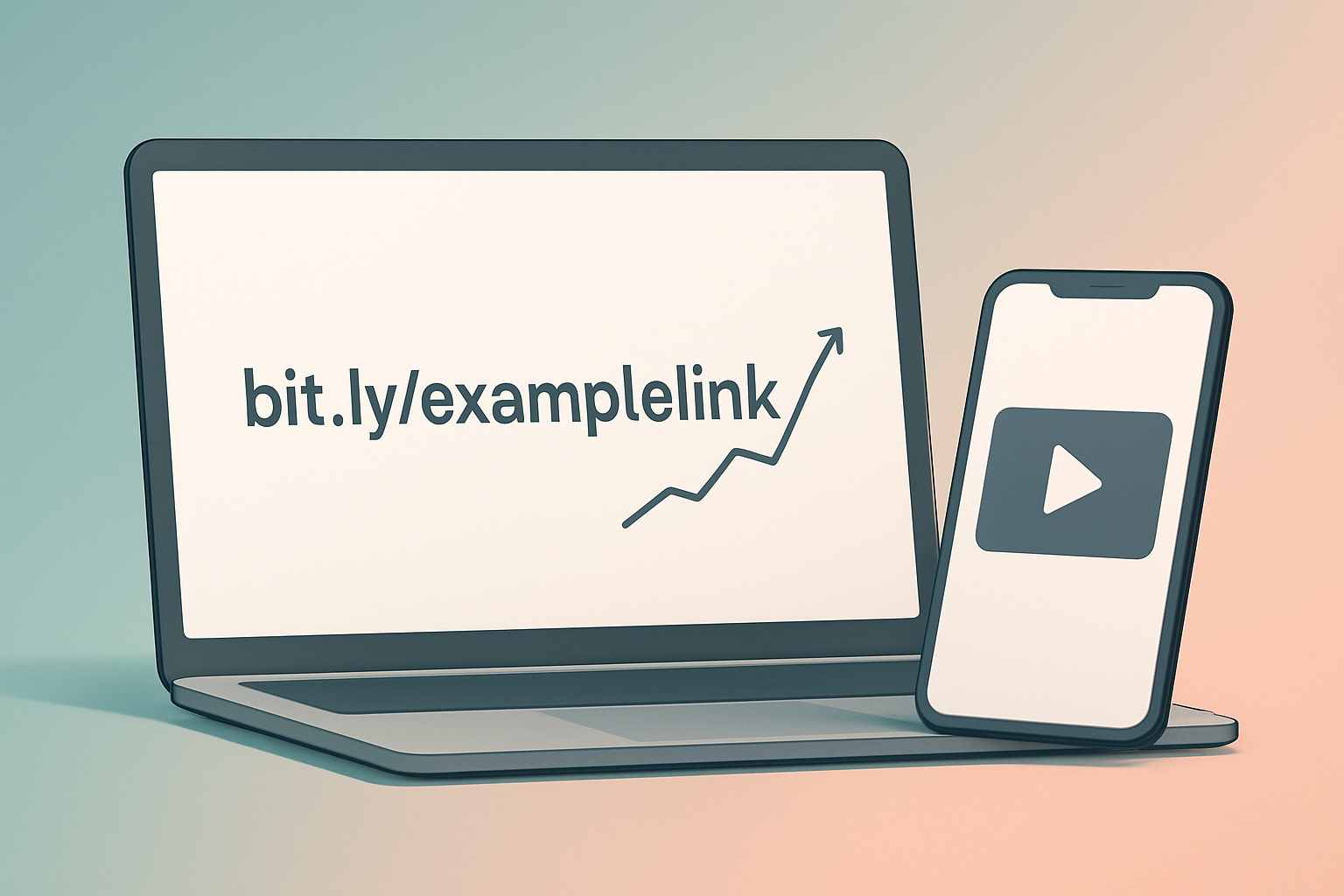
Raw affiliate URLs are often long and messy. They can look unprofessional and reduce click-through rates. Using a cleaner link makes promotional posts neater and more trustworthy.
Link trackers and redirection tools
Tools such as Pretty Links or ThirstyAffiliates let you create branded short links that redirect to your affiliate URL. These plugins also allow you to place links on your own domain, which looks more professional when shared in descriptions or social profiles.
Tracking clicks and performance
Link trackers provide click counts per link, giving an early signal of audience interest before sales data shows up. Combining link-level analytics with the affiliate dashboard lets you optimize which placements and calls-to-action perform best. Make decisions based on both clicks and conversions.
Types of affiliate programs and how to pick one
Affiliate programs fall into three main categories: physical products, digital products, and services. Each has trade-offs in conversion, payout, and risk.
Physical products with pros and cons
Physical goods are tangible and often easier to sell because of brand recognition. Household, beauty, and fitness items tend to convert well. Commission rates may be modest—for example, major retailers often offer single-digit percentages—but conversion rates can be high thanks to shopper trust in established sites.
A drawback: lower commission rates on many large platforms. However, volume and impulse purchases can still make physical-product promotion profitable.
Digital products with commission structures and risks
Digital products commonly offer generous commission percentages and sometimes recurring revenue for subscription services. Examples include VPNs, software, and premium themes. These higher commissions accelerate earnings, especially when combined with content that demonstrates value.
Risk factors include delayed or missing payments from some vendors and the presence of free tiers that reduce conversions. To manage risk, prefer established vendors or signed programs hosted in marketplaces with reliable payout processes.
Services and high ticket offers with examples
Service-based offers—hosting, web platforms, travel, and financial products—often pay high commissions. Some pay flat fees per referral; others pay percentages of customer spend. Examples include e-commerce platforms that offer fixed payouts per referred merchant and web hosts that provide multiple months’ worth of revenue in a single payout.
These programs can be lucrative because one sale may represent substantial customer lifetime value. They can also be ideal when your content demonstrates clear, practical need for the service.
Content and traffic strategies that convert
Traffic that converts tends to come from content that educates, demonstrates, and builds trust. Not every channel works the same way; different formats serve different stages of the buyer journey.
Long form video content for highest conversions
Long-form videos—tutorials, deep-dive reviews, and how-to guides—lead to higher conversion rates. Viewers who watch extended content are often closer to making a purchase decision, and comprehensive videos allow creators to show product benefits and walk through setup or use cases. Conversion rates for long-form content can be several times higher than short clips.
Short videos deliver reach and brand awareness. They are effective at bringing in views and driving traffic to longer content. Conversion rates tend to be lower, but syndicating short clips across social platforms amplifies discovery. Use shorts for quick tips and teasers that link to deeper content.
Blogging and why parasite SEO beats starting fresh
Traditional blogging faces stiff competition from established sites investing heavily in SEO. Building organic rankings on a new domain can take months. An alternative is posting on high-authority platforms such as LinkedIn or Medium. That approach, often called parasite SEO, lets content rank faster by borrowing the platform’s authority, making it easier to attract search traffic for low-to-medium competition keywords.
Social media marketing realities and limits
Organic social channels have become crowded. Engagement has declined on some platforms and conversion rates may be low unless you have a highly responsive audience. Social media can still support promotions, but it’s wise to allocate major effort to video and domain-backed content where conversions are more predictable.
Conversion tactics and promotion strategy
Converting traffic into affiliate sales depends on how you position the offer and the level of trust you build.
Indirect promotion and soft recommendations
Soft, incidental mentions can outperform direct sales pitches. Briefly referencing a tool or service within a helpful tutorial often feels less salesy and converts well. Indirect promotion works because it ties the recommendation to genuine utility rather than a standalone advertisement.
Building trust by giving value and honest reviews
Honest, informative content wins long-term. Audiences notice when creators call out both strengths and weaknesses. That perceived honesty increases trust and makes viewers more likely to click affiliate links and follow recommendations.
Practical action plan for beginners
Getting started requires focus: a home base, a content plan, and consistent output. Follow these steps to move from zero to your first commissions.
Minimum content cadence and platform mix
Aim to publish one long-form video every two weeks, one short video every two weeks, and one blog post on a high-authority platform each week. This mix covers discovery, education, and search visibility. Adjust cadence based on capacity; consistency outperforms occasional bursts.
Quick checklist to start earning
– Create a simple website as a hub and set up WordPress.
– Join a few reputable affiliate programs or marketplaces.
– Install a link management tool to create branded redirects.
– Produce one long tutorial or review focused on a product or service.
– Share short clips to drive viewers to the long-form content.
– Post a companion article on Medium or LinkedIn for search reach.
– Track clicks and conversions, and optimize titles, thumbnails, and CTAs.
Closing thoughts and key takeaways
Affiliate marketing thrives when content delivers real value, and recommendations feel authentic. Pick programs that fit your niche and audience, present referral links professionally, and prioritize content that educates. Long-form video typically converts best, shorts amplify reach, and posting on high-authority platforms speeds up search traction.
Start small, focus on consistency, and measure what works. With a straightforward setup and steady output, affiliate commissions can become a reliable revenue stream.